WEEK 6 SUBJECT: Basic Science TOPIC: Electrical Energy CLASS: JSS 3
WEEK 6
SUBJECT: Basic Science
TOPIC: Electrical Energy
CLASS: JSS 1
DURATION: Two Periods (40 minutes each)
PERIOD 1 – LEARNING OBJECTIVES
By the end of the lesson, students should be able to:
i. Define electrical energy
ii. Identify common sources of electrical energy
iii. State the uses of electrical energy
KEY VOCABULARY WORDS
Electricity, Energy, Circuit, Fuse, Circuit breaker, Resistor, Series, Parallel
RESOURCES AND MATERIALS
Dry cell batteries, connecting wires, small bulbs, fuse wire, switch, chart of circuits
BUILDING BACKGROUND
The teacher asks students:
- What do we use electricity for at home?
- What happens when there is no power?
The teacher explains that electricity is a form of energy that helps us do work like lighting, cooking, and using machines.
CONTENT
PERIOD ONE
Meaning of Electrical Energy
Electrical energy is the energy produced by the flow of electric current.
It is the energy that makes bulbs light, fans move, and radios work.
Sources of Electrical Energy
- Battery
- Generator
- Power station
- Solar panel
Uses of Electrical Energy
- Lighting
- Heating
- Cooking
- Running machines
WEEK 6
SUBJECT: Basic Science
TOPIC: Electrical Energy
CLASS: JSS 1
DURATION: Single Periods (40 minutes each)
PERIOD 2 – LEARNING OBJECTIVES
By the end of the lesson, students should be able to:
i. Identify the difference between series and parallel connections
ii. Explain the function of a fuse
iii. Explain the function of a circuit breaker
PERIOD TWO
Series and Parallel Connections
Series Connection:
In a series connection, components are connected in one line.
If one bulb goes off, all go off.
Parallel Connection:
In a parallel connection, components are connected in separate paths.
If one bulb goes off, others still work.
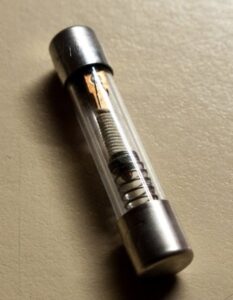
Fuse
A fuse is a safety device that melts when too much current flows, stopping electricity to prevent damage.
Circuit Breaker
A circuit breaker is a safety device that automatically switches off electricity when there is too much current.
Difference Between Fuse and Circuit Breaker
| Fuse | Circuit Breaker |
| Melts to stop the current | Switches off the current |
| Must be replaced | Can be reset |
| Used once | Used many times |
WRAP UP & ASSESSMENT
- What is electrical energy?
- What happens in a series connection when one bulb goes off?
- State one function of a fuse.
ASSIGNMENT
- Write two uses of electrical energy.
- Differentiate between a fuse and a circuit breaker.
HOD / VP’S COMMENT & ENDORSEMENT
The lesson was clearly taught.
Students showed good understanding.
Teaching materials were well used.
Signature: __________
Date: _________